
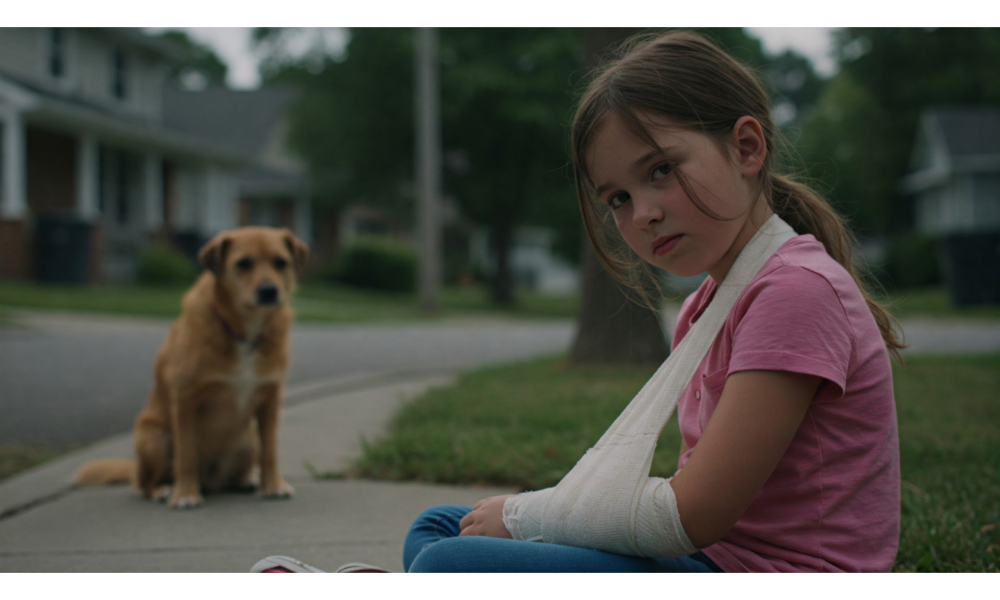

Children are naturally active and curious, making them prone to musculoskeletal injuries such as sprains, fractures, and dislocations. Their growing bones, especially the vulnerable growth plates, require careful diagnosis and specialized care to avoid long-term issues. Since pediatric injuries can also be emotionally distressing, healthcare providers must approach treatment with both medical precision and compassion to support the child and family through recovery.
The Importance Of Accurate Diagnosis In Children
Accurate diagnosis is vital for treating pediatric musculoskeletal injuries. Since children’s bodies are still developing, even minor-looking injuries can have lasting effects if misdiagnosed. A precise diagnosis ensures proper treatment, supports healthy growth, and helps prevent complications such as deformities or impaired movement. Misdiagnosis—especially of growth plate injuries—can lead to improper healing and long-term issues. That’s why it’s important to seek care from providers experienced in pediatric cases, such as those at Level One Urgent Care. With the right tools and a clear understanding of developmental needs, they can help ensure young patients are thoroughly evaluated. Beyond physical healing, diagnosis should also consider the child’s overall well-being, including how the injury affects their daily life, school, and play. A thorough, child-centered approach promotes both recovery and quality of life.
Overview Of Pediatric Musculoskeletal Imaging Techniques
Pediatric musculoskeletal imaging is essential for accurately diagnosing and treating injuries in children, with several imaging techniques offering distinct advantages. X-rays are typically the first choice for identifying fractures and dislocations due to their speed and accessibility, though they are less effective for soft tissue injuries and can miss subtle issues near growth plates. MRI provides detailed views of both bone and soft tissue without using radiation, making it ideal for complex injuries, though it may require sedation for younger patients. CT scans deliver precise cross-sectional images for evaluating complicated bone injuries but involve higher radiation exposure, so their use is limited. Ultrasound is a safe, non-invasive option, particularly suited for soft tissue evaluation, and is often used in younger children as it typically doesn’t require sedation. Choosing the most appropriate imaging method is critical for ensuring accurate diagnosis and guiding effective treatment.
Common Pediatric Musculoskeletal Injuries And Their Imaging Needs
Children commonly experience musculoskeletal injuries such as fractures, sprains, and dislocations, each presenting unique imaging challenges. Fractures, including greenstick and growth plate fractures, are frequent due to falls and sports, with X-rays typically used for diagnosis and MRIs employed when growth plates are involved or the injury is complex. Sprains and strains, affecting ligaments and muscles, are harder to detect with X-rays alone, often requiring MRI or ultrasound for accurate assessment. Dislocations, which occur when a bone slips out of its joint, are usually confirmed with X-rays and may be followed ban y MRI to evaluate soft tissue damage. Tailoring the imaging approach to the specific injury ensures accurate diagnosis and effective treatment.
How Imaging Affects Treatment Decisions
Imaging is essential in shaping treatment plans for pediatric musculoskeletal injuries by providing detailed information about the injury’s nature and severity. For fractures, imaging determines the break’s type and alignment, guiding decisions between casting and surgical intervention. In soft tissue injuries, it identifies affected ligaments, tendons, or muscles, enabling tailored rehabilitation strategies. Follow-up imaging also monitors healing, allowing for timely adjustments to the treatment plan. This approach ensures that both immediate recovery and long-term growth and function are carefully managed.
The Role Of Pediatric Radiologists In Injury Assessment
Pediatric radiologists are specialists uniquely trained to interpret imaging in children, where anatomy and injury patterns differ from those of adults. Their expertise is critical for accurate diagnosis and safe, effective treatment planning. Beyond reading images, they collaborate closely with pediatricians, experienced orthopedic surgeons, and other specialists to ensure a comprehensive, child-focused approach to care. They also communicate findings clearly to families, easing concerns and supporting informed decisions. Additionally, pediatric radiologists contribute to research and the development of child-friendly imaging techniques that minimize radiation exposure, advancing both the safety and quality of pediatric care.
Addressing Parental Concerns About Imaging Safety
Parents often worry about the safety and necessity of imaging procedures for their children, especially regarding radiation exposure and the potential stress on their child. Addressing these concerns is vital to building trust and providing effective care. Clear communication about why a specific imaging method is needed and how it supports accurate diagnosis and treatment helps parents feel more informed and confident. Additionally, many medical centers now use child-friendly environments, distraction tools, and child-life specialists to ease anxiety during imaging. Involving and educating parents throughout the process ensures a more comfortable and reassuring experience for both child and family.
The Future Of Pediatric Musculoskeletal Imaging
The future of pediatric musculoskeletal imaging is poised for exciting developments, driven by technological advancements and a deeper understanding of pediatric medicine. As research continues to uncover new insights into the growing body and its unique needs, imaging techniques will increasingly adapt to provide even more precise and personalized care for children.
Emerging technologies, such as 3D imaging and virtual reality, hold significant potential to transform pediatric diagnostics. 3D imaging can offer more detailed views of complex injuries, aiding in surgical planning and improving treatment outcomes. Virtual reality applications could be used in conjunction with imaging studies, allowing healthcare providers to visualize injuries in new ways and educate families about their child’s condition more effectively.
Furthermore, continued advancements in AI and machine learning are expected to further enhance diagnostic accuracy and efficiency. These technologies can assist in recognizing patterns in imaging studies and predicting potential complications, enabling proactive and tailored treatment approaches. As these innovations become more integrated into clinical practice, they will contribute to safer, more effective, and more personalized care for pediatric patients.
Advancements In Imaging Technology For Children
Advancements in imaging technology have significantly enhanced the ability to diagnose, and Innovations in pediatric musculoskeletal imaging are transforming how injuries are diagnosed and treated, focusing on improving image quality, reducing radiation exposure, and enhancing the patient experience. Low-dose imaging protocols—such as digital radiography and advanced CT techniques—help protect children from unnecessary radiation while maintaining diagnostic clarity. Meanwhile, artificial intelligence (AI) is streamlining the imaging process by assisting radiologists in identifying abnormalities more quickly and accurately. These advancements not only support safer diagnostics but also pave the way for more precise, efficient, and personalized care for young patients.
Conclusion: Ensuring Better Outcomes For Injured Children
The field of pediatric musculoskeletal imaging is integral to ensuring the best possible outcomes for children with injuries. By providing accurate and detailed insights into the nature of musculoskeletal injuries, imaging plays a crucial role in diagnosis, treatment planning, and monitoring recovery. The specialized approach required for pediatric imaging takes into account the unique characteristics of a growing body, ensuring that children receive the care they need to heal and thrive.
As technology continues to advance, the capabilities of pediatric imaging will only improve, offering even greater precision and safety. Healthcare providers need to stay informed about these advancements and incorporate them into practice to provide the highest standard of care. Equally important is the need to address parental concerns and involve families in the diagnostic and treatment process, fostering an environment of trust and collaboration.
Ultimately, the goal of pediatric musculoskeletal imaging is to support children in their recovery and enable them to return to their favorite activities with confidence. By embracing the latest technologies and maintaining a child-centered approach, healthcare providers can ensure that young patients receive the compassionate, effective care they deserve, paving the way for healthy, active futures.
