
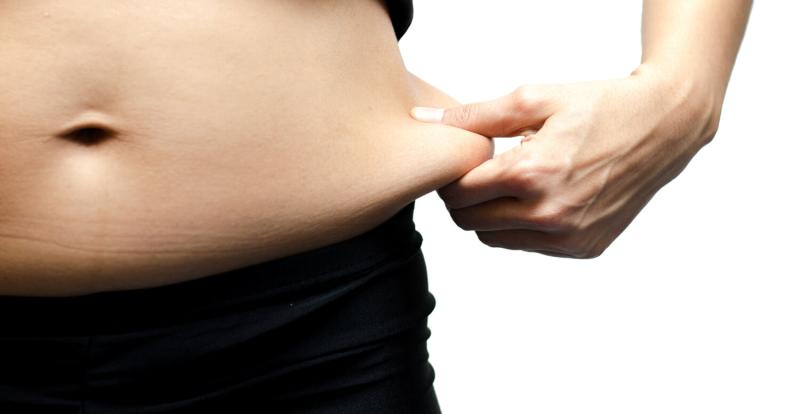

A healthy weight often involves careful consideration of various medical interventions. While lifestyle changes remain fundamental, medical weight loss procedures have emerged as significant options for those seeking professional guidance. These procedures, developed in research and clinical practice, represent a structured approach to weight management under medical supervision.
Common types of medical weight loss interventions
Medication-assisted programs
Medical weight loss programs often incorporate FDA-approved medications that work alongside dietary modifications. These medications affect appetite, metabolism, or the the body processes nutrients. The prescription of such medications follows thorough medical evaluation and ongoing monitoring.
Supervised diet programs
Healthcare providers design customized meal plans considering individual health factors, nutritional needs, and weight loss goals. These programs typically include regular check-ups and adjustments based on progress and response to the dietary changes.
Patients receive comprehensive evaluations to determine the most suitable approach for their unique circumstances. The facility’s integrated approach combines various medical interventions with lifestyle modification strategies to support sustainable weight management outcomes.
Long-term considerations
- Need for ongoing medical supervision
- Potential medication adjustments
- Regular health monitoring requirements
Medical Weight Loss Central Bakersfield emphasizes the importance of understanding both the benefits and potential risks associated with medical weight loss procedures. Their approach includes thorough pre-treatment screening and continuous monitoring throughout the weight loss journey.
Professional oversight
Regular monitoring by healthcare providers ensures early detection and management of any adverse effects. This supervision includes:
- Vital sign monitoring
- Blood work analysis
- Adjustment of interventions as needed
- Progress tracking and documentation
Safety protocols
Implementation of established safety measures helps minimize risks:
- Comprehensive health screenings
- Regular assessment of medication effects
- Emergency response preparedness
- Continuous patient education
Making informed decisions
Personal health assessment
Before pursuing any medical weight loss procedure, consider the following:
- Current health status
- Previous weight loss attempts
- Medical history
- Lifestyle factors
Consultation importance
Professional medical consultation helps:
- Identify suitable interventions
- Understand potential risks
- Set realistic expectations
- Develop personalized plans
Recovery and adjustment period
Initial adaptation
The body typically requires time to adjust to new medical interventions:
- Physical adaptation period
- Emotional adjustment
- Lifestyle modifications
- Support system engagement
Long-term management
Sustainable success involves:
- Ongoing medical supervision
- Regular progress evaluation
- Lifestyle maintenance strategies
- Continuous health monitoring
Monitoring protocols
Regular monitoring ensures safety:
- Scheduled check-ups
- Progress documentation
- Side effect tracking
- Intervention adjustments
Support systems and resources
Professional support
Access to healthcare providers includes:
- Regular consultations
- Emergency contact information
- Educational resources
- Progress tracking tools
Lifestyle integration
Successfully incorporating changes requires:
- Daily routine adjustments
- Dietary modifications
- Activity level changes
- Stress management techniques
The decision to pursue medical weight loss procedures requires careful consideration of various factors, including potential risks and benefits. These aspects help individuals make informed choices about their health journey. With proper medical supervision and adherence to recommended protocols, many individuals successfully navigate these procedures while minimizing potential risks. The key lies in maintaining open communication with healthcare providers and following prescribed guidelines throughout the process.
