
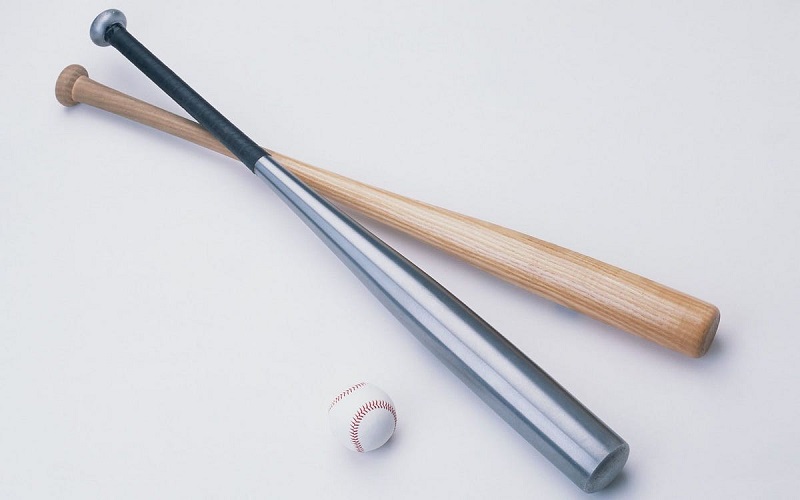

Few materials in baseball spark as much ongoing controversy as the wood vs. metal bat debate. For over half a century, performers, coaches, and fans have compared two materials together, weighing depiction, tradition, and security. There are many different types of baseball bats available in the market. While wood bats remain a pillar of professional baseball, metal bats rule in amateur and minority leagues.
Understanding the history of this debate reveals not only the evolution of the game but also the values that various levels of baseball hold dear.
The Origins of the Wooden Bat
Baseball’s first bats were designed from dimensional pieces of wood, usually ash. By the late 1800s, bat makers like Louisville Slugger patterned designs, bestowing players with equipment that was both sturdy and agreeable. Maple and cane later joined ash as favorite choices on account of their strength and singular hitting feel.
Wood bats enhanced an integral unspecified baseball’s tradition. The unconnected “crack” of the bat striking the ball is iconic, and many dispute that the craftsmanship and unrefined qualities of wood maintain the purity of the game.
The Introduction of Metal Bats
The view shifted severely in 1970, when aluminum bats were introduced in college and teen leagues. Unlike wood, hardware bats were easier, more durable, and capable of bearing higher ball speeds. For amateur programs, this was a game-changer—metal bats lasted much more protracted than wood, lowering replacement costs.
Players again noticed immediate act benefits. The “trampoline effect” of usually metallic bats allows balls to travel further, giving hitters a clear advantage. As a result, home runs and offensive stats climbed in leagues that adopted them.
The Core Differences
1. Performance
· Wood Bats:
Require precision striking, as the sweet spot is smaller. They emphasize ability and technique.
· Metal Bats:
Offer the best choice and more forgiving contact, making them ideal for younger performers still extending their swing.
2. Durability
· Wood Bats:
Break more easily, commonly cracking or withering.
· Metal Bats:
Can last for years, making them cost-effective for teams and schools.
3. Safety
The extra capacity of metal bats raised security concerns, as pitchers and infielders had less reaction time. This experience led to stricter requirements, including BBCOR flags, which limit the performance of alloy bats in high school and college play.
4. Tradition vs. Modernization
· Wood Bats:
Symbolize baseball’s experiences and are still the standard in Major and Minor League Baseball.
· Metal Bats:
Represent modern innovation and approachability for amateur performers.
Conclusion
The wood vs. alloy bat debate is more than a question of conduct—it’s about values. Wood shows tradition, skill, and skill, while metal stresses innovation, approachability, and modern effectiveness. Both have shaped baseball in unique ways, and together they reflect the sport’s balance between honoring its allure and adapting for the future.
