
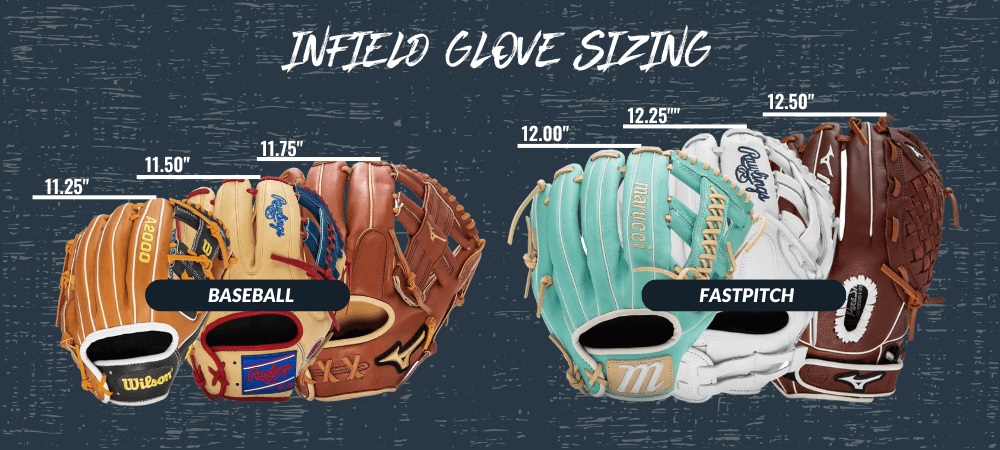

Softball may come in two main forms—fastpitch and slowpitch—but the dissimilarities extend far further pitching style. One of the greatest overlooked facets for performers is the glove design. Below are the complete differences between fastpitch and slow-pitch softball gloves.
Glove Size and Fit
The first conspicuous distinctness between fastpitch and slowpitch softball gloves is length.
- Fastpitch softball gloves are mainly tinier, ranging from 11.5 to 13 inches. This tinier design allows for smart ball transfers and better control, which are essential in a faster-paced game.
- Slowpitch gloves, in another habit, are larger, typically 12 to 15 inches. The larger pocket helps performers catch bulky softballs more surely and handle more sluggish but frequently more effective hits.
In agreements of fit, fastpitch gloves are usually closer to the hand and fingers, created to accommodate a fast response ending, while slowpitch gloves are inclined to have a more relaxed fit. You need to follow this information before buying softball gloves.
Pocket Depth
Pocket wisdom is another major achievement.
- Fastpitch gloves feature more traditional pockets, allowing infielders and pitchers to clutch the ball and release it quickly. Speed and accuracy are critical in fastpitch; placement reaction occasions are shorter.
- Slowpitch gloves are built accompanying deeper pockets, making it easier to secure the best ball and endure powerful swings. The deeper pocket reduces the chance of the ball bulging during hard catches.
Webbing Styles
Web design likewise varies depending on the type of play.
- Fastpitch gloves frequently use closed or reduced webs, especially for pitchers who need to conceal their grip from batters. Infielders can prefer I-webs or H-webs for quick transfers.
- Slowpitch gloves usually favor more expansive, open web designs that supply visibility and help outfielders snag extreme fly balls with ease.
Position-Specific Needs
Both fastpitch and slowpitch gloves are tailored to the singular demands of each position.
- In fastpitch, infielders need smaller gloves for speed, while outfielders use kind of longer ones for reach. Catchers and first basemen require massively padded mitts for care against fast throws and pitches.
- In slowpitch, gloves are mainly larger across all positions because the slower game pace allows for more flexibility and less urgency in ball transfer.
Materials and Durability
The matters used are often similar—leather for premium act and synthetic alternatives for beginners—but durability demands clash. Fastpitch gloves must sustain speedy pitches and hasty sphere exchanges, so they are usually stiffer and systematic. Slowpitch gloves focus more on pocket insight and comfort, contributing to an easier, more pliable build.
Conclusion
While two together fastpitch and slowpitch gloves do the unchanging purpose—helping performers field the sphere effectively—their designs indicate the pace and needs of their respective tricks. So, choose your perfect softball gloves now.
