
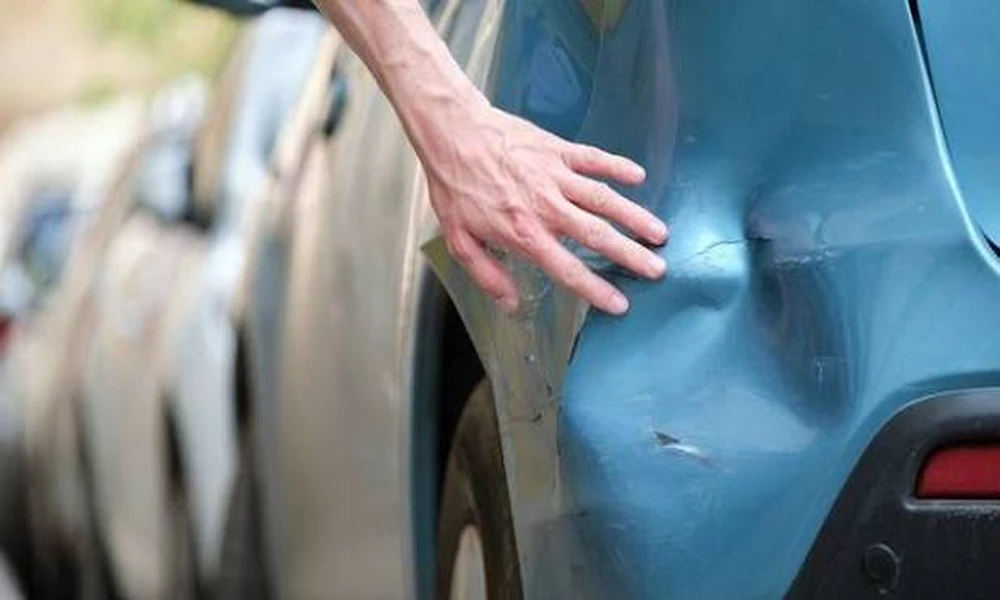

A minor collision can leave more than a visible dent. Even small impacts may disturb panel alignment, paint surfaces, or nearby trim. Professional repair restores the exterior while protecting the vehicle’s overall presentation. For drivers considering dent repair at Mike Calvert Collision, quality dent work can also preserve resale appeal. The right repair method depends on damage depth, location, paint condition, and panel material. Careful assessment comes first, followed by precise reshaping and surface refinement.
Accurate Damage Assessment Prevents Further Issues
A professional inspection identifies damage beyond the obvious mark. Technicians check panel edges, mounting points, paint cracks, and hidden distortion. This process determines whether paintless dent repair suits the damage. Deeper creases may require conventional bodywork. Proper diagnosis prevents unnecessary replacement costs and preserves original factory panels when possible.
When Does Paintless Dent Repair Work?
Paintless dent repair works best on shallow dents. The paint must remain intact and flexible. Access behind the panel also matters. Skilled technicians use specialized tools to massage metal gradually. The process retains the factory finish and avoids extensive sanding. However, sharp creases or stretched metal may require another technique.
Professional Techniques Protect Exterior Appearance
Repair quality depends on controlled pressure and accurate positioning. Technicians can restore contours without creating secondary distortions. At Mike Calvert Collisio, careful dent correction supports a cleaner factory-style appearance.
Key considerations include:
-
Technicians match original panel contours.
-
Paint condition guides repair selection.
-
Metal thickness affects tool control.
-
Panel access determines working angles.
-
Final inspection confirms surface consistency.
What Happens When Paint Gets Damaged?
Paint damage changes the repair strategy completely. Scratches, chips, or cracked coatings can expose underlying metal. Moisture may then encourage corrosion around damaged areas. Professional refinishing restores protection after panel correction. Color matching also matters, especially on metallic finishes. A poor match can make minor repairs highly noticeable.
Which Repairs Offer Better Long-Term Value?
Repair decisions should consider more than appearance. Retaining an original panel can support structural consistency and resale presentation. Replacement makes sense when metal has severe distortion or weakened integrity. Professional evaluation balances cost, finish quality, and future durability.
Useful repair priorities include:
-
Preserve sound factory panels when possible.
-
Correct hidden distortion before refinishing.
-
Restore protective coating after sanding.
-
Check surrounding trim for impact damage.
Precise Dent Work Leaves Cleaner Results
A repaired panel should follow the vehicle’s original body lines. That standard requires patience, accurate lighting, and controlled finishing. Even a small door dent can distort reflections across a larger area. Professional correction addresses those visual effects, not merely the deepest point.
Factory Lines Reveal Repair Quality
A small dent may measure only a few inches, yet reflections expose poor correction. Restoring the original contour therefore matters more than simply filling visible damage. Once panel lines return to their intended shape, the repair becomes far less noticeable. The strongest result is often the one revealed only by a clean reflection.
